
What prospective clients look for on a team page
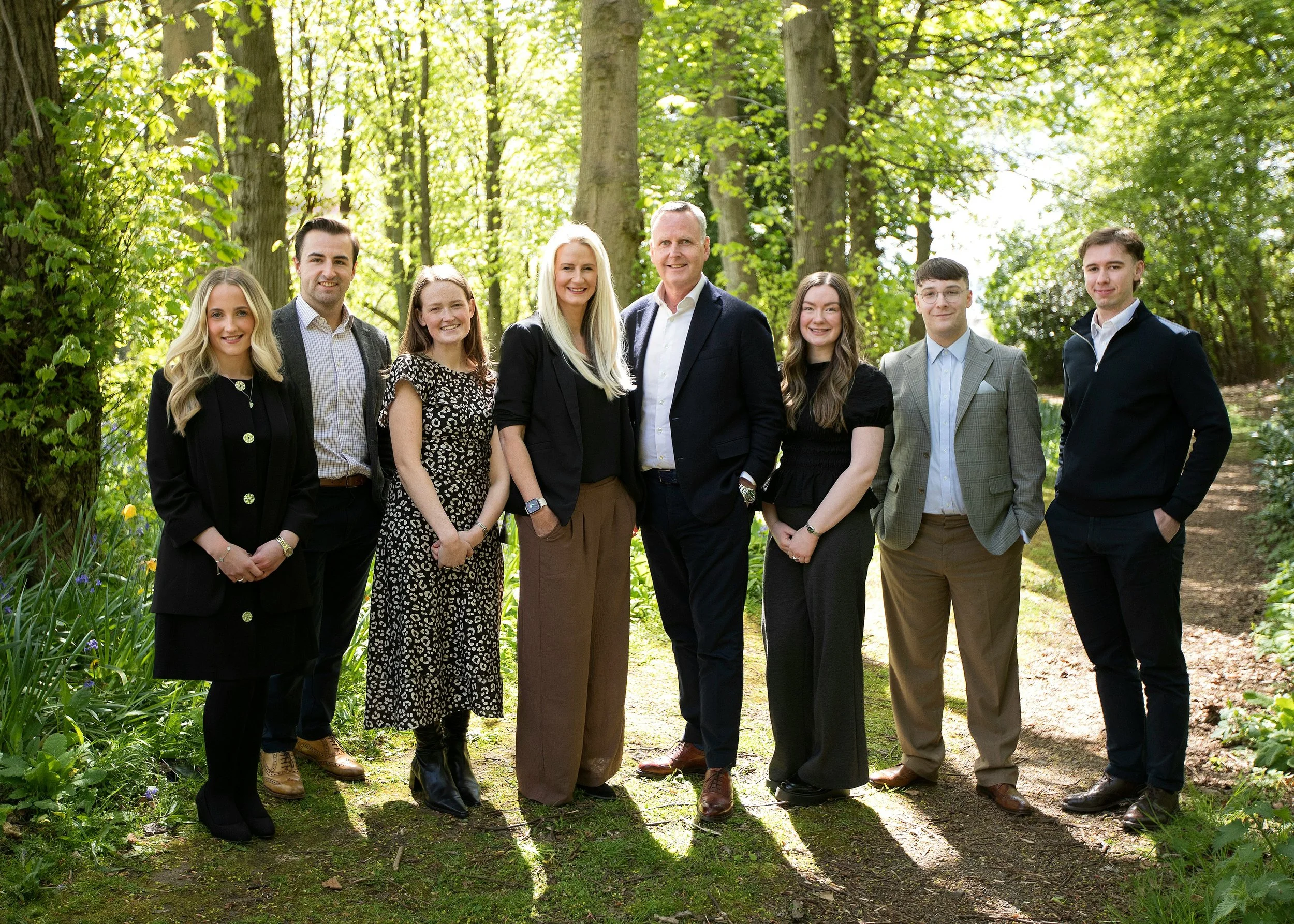
A team page is often one of the most visited parts of a professional services website.
That makes sense.
Prospective clients are not simply choosing a firm, they are choosing the people they may need to trust with an important decision, a difficult problem or a significant piece of work.
The team page is where they begin to answer a more personal set of questions.
Who will I be dealing with? Do these people understand my situation? Do they have the right experience? Will they be easy to work with? Can I trust their judgement?
Many firms answer those questions poorly.
Their team pages contain formal biographies, lists of qualifications and carefully written summaries of responsibilities. The information is accurate, but it often gives very little sense of the person behind the role.
That creates a missed opportunity.
Prospects want to see relevance
The first thing a prospective client is usually looking for is evidence that someone in the firm understands their situation.
That may come from sector experience, technical specialism, the type of client they advise or the kinds of problems they have handled before.
A generic biography rarely helps.
“Sarah advises a wide range of clients across a broad range of commercial matters” may be true, but it does not give the reader much to recognise themselves in.
Specificity is more useful.
What kinds of businesses does Sarah work with? What issues does she help them navigate? Where is her experience especially strong? What is she known for by clients and colleagues?
A team profile should make relevance easier to see.
Credentials matter, but they are rarely enough
Qualifications, accreditations and years of experience all create confidence. They are particularly important in sectors where expertise is regulated or difficult for buyers to assess.
The problem comes when a profile stops there.
Most prospective clients will assume that a senior adviser has the appropriate credentials. They are often more interested in how that expertise is applied.
Does this person explain complex issues clearly? Are they direct when a difficult decision needs to be made? Do they understand the commercial consequences behind the technical advice?
A profile becomes more persuasive when it moves beyond what someone knows and gives a clearer sense of how they work.
People want to understand who they will deal with
Professional services firms often talk about relationships as a key strength. The team page should help make that promise tangible.
Prospective clients want to know whether they will have access to senior people, who will lead the work and how different specialists may be involved.
They may also want reassurance that the person who impressed them during the sales process will remain part of the relationship after the work begins.
Clear profiles can help manage those expectations.
They can show the role each person plays, the value they bring and how the team works together.
This becomes especially important for firms with broad services or several levels of seniority. A client should not need to guess who they are likely to hear from once the engagement starts.
Personality creates confidence too
Many firms remove almost every trace of personality from their biographies in an effort to sound professional.
The result is often a page full of people who appear interchangeable.
A profile does not need to become overly casual or reveal unnecessary personal detail. It should still sound like a real person.
A clear point of view, a short description of what they enjoy about the work or a few words about how clients tend to describe them can make the profile more useful.
Clients are trying to assess both capability and compatibility.
They want confidence that the adviser can do the work and some indication that the relationship will feel right.
A little personality helps them form that judgement.
Prospects look for proof
Claims about expertise are stronger when they are supported.
That proof may come from a relevant client example, a specialist accreditation, a published article, an industry role or a short description of the outcomes the person has helped clients achieve.
The evidence should be chosen carefully.
A long list of memberships can make a profile look accomplished while doing little to improve understanding. A short, relevant example may be far more persuasive.
The best proof helps a prospect connect the adviser’s experience to the issue they are facing.
The page should make the next step easy
A good team page should not leave the reader at a dead end.
Once someone has found a relevant person, the next step should feel obvious.
That may mean providing a direct contact option, linking to related services, showing relevant insights or offering a clear route to arrange an initial conversation.
The journey should feel straightforward.
Making people search for a general contact form after reading a strong profile introduces unnecessary friction.
The adviser has created interest. The page should help carry that interest forward.
A team page shapes the wider impression of the firm
Team pages do more than introduce individuals. Together, they reveal what the firm values.
They show whether expertise is clearly organised, whether people are treated as visible representatives of the business and whether the firm can communicate technical knowledge in a human way.
They also expose inconsistency quickly.
Some profiles may be detailed and engaging while others are little more than job histories. Some may speak directly to clients while others read like internal CVs.
That unevenness weakens the overall impression. A stronger team page gives every person a clear role in the story of the firm.
Review the page from the client’s perspective
A useful review starts with the questions a prospect is likely to ask.
Can I quickly find someone relevant to my situation?
Do I understand what they are especially good at?
Can I see how they work with clients?
Is there enough evidence to support the claims being made?
Do they sound like people I would trust and want to work with?
And is it easy to take the next step?
The strongest team pages answer those questions without forcing the reader to work too hard.
Prospective clients may arrive because of a service, a referral or a piece of content. The team page helps them decide whether they trust the people behind it.
For professional services firms, that can be one of the most important decisions the website supports.
